



Disulfide Cleavable Linker
Disulfide cleavable linkers provide redox-responsive bonds for drug delivery because extracellular and intracellular glutathione gradients enable selective activation in reductive cytoplasmic environments[1]. Mechanistically, disulfide cleavage can release small-molecule drugs, macromolecule conjugates, or masked bioactive agents after cellular entry[2][3]. In cancer models, disulfide-containing prodrugs, nanoparticles, nanogels, vaccines, and aptamer-drug conjugates have improved controlled release, tumor-cell uptake, or antitumor response[2][4][5][6]. Compared with non-redox-responsive analogues, disulfide-linked systems showed faster drug release, stronger cellular uptake, or higher tumor-selective cytotoxicity in reported experimental models[4][7][8]. For research design, linker electronics, steric hindrance, substituent position, and biorelevant reducing agents such as glutathione should guide stability and cleavage-rate evaluation[2][9].
References:
- [1]. Deng Z, et al. Disulfide-Based Self-Immolative Linkers and Functional Bioconjugates for Biological Applications. Macromol Rapid Commun. 2020 Jan;41(1):e1900531. [Content Brief]
- [2]. Wang Q, et al. Disulfide based prodrugs for cancer therapy. RSC Adv. 2020 Jun 25;10(41):24397-24409. [Content Brief]
- [3]. Yang X, et al. Making smart drugs smarter: The importance of linker chemistry in targeted drug delivery. Med Res Rev. 2020 Nov;40(6):2682-2713. [Content Brief]
- [4]. Conte C, et al. Enhanced uptake in 2D- and 3D- lung cancer cell models of redox responsive PEGylated nanoparticles with sensitivity to reducing extra- and intracellular environments. J Control Release. 2018 May 10;277:126-141. [Content Brief]
- [5]. Kramer K, et al. Intracellular Cleavable CpG Oligodeoxynucleotide-Antigen Conjugate Enhances Anti-tumor Immunity. Mol Ther. 2017 Jan 4;25(1):62-70. [Content Brief]
- [6]. Wu Y, et al. Improvement of Drug Release from an Aptamer Drug Conjugate Using Reductive-sensitive Linkers for Tumor-targeted Drug Delivery. AAPS J. 2025 May 20;27(4):95. [Content Brief]
- [7]. Drude N, et al. Impact of Glutathione Modulation on Stability and Pharmacokinetic Profile of Redox-Sensitive Nanogels. Small. 2018 Apr;14(14):e1704093. [Content Brief]
- [8]. Ai X, et al. Star-shape redox-responsive PEG-sheddable copolymer of disulfide-linked polyethylene glycol-lysine-di-tocopherol succinate for tumor-triggering intracellular doxorubicin rapid release: head-to-head comparison. Macromol Biosci. 2014 Oct;14(10):1415-28. [Content Brief]
- [9]. Phillips DJ, et al. Redox-sensitive materials for drug delivery: targeting the correct intracellular environment, tuning release rates, and appropriate predictive systems. Antioxid Redox Signal. 2014 Aug 10;21(5):786-803. [Content Brief]
-
Disulfide Cleavable Linker Related Products (124)
Related Products (124)

-
SPDP
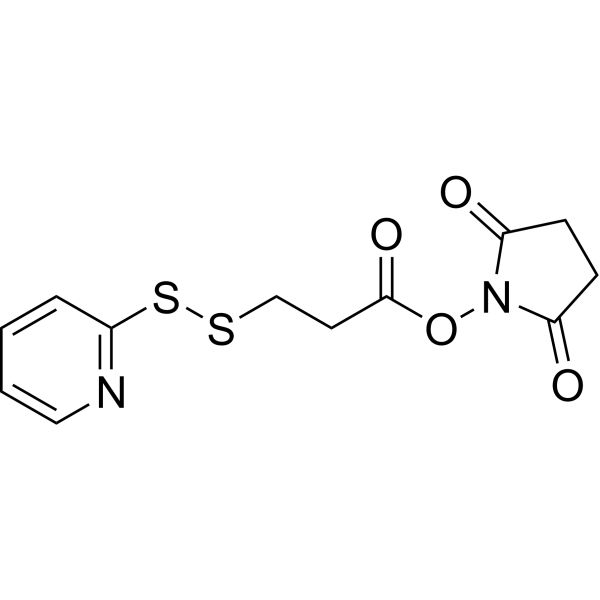 0 ImagesSynonyms: SPDP Crosslinker; Py-ds-Prp-OSuSPDP (SPDP Crosslinker) is a short-chain crosslinker for amine-to-sulfhydryl conjugation via NHS-ester and pyridyldithiol reactive groups that form cleavable (reducible) disulfide bonds with cysteine sulfhydryls. It is a glutathione cleavable ADC linker used for the antibody-drug conjugates (ADCs).
-
DTSSP Crosslinker
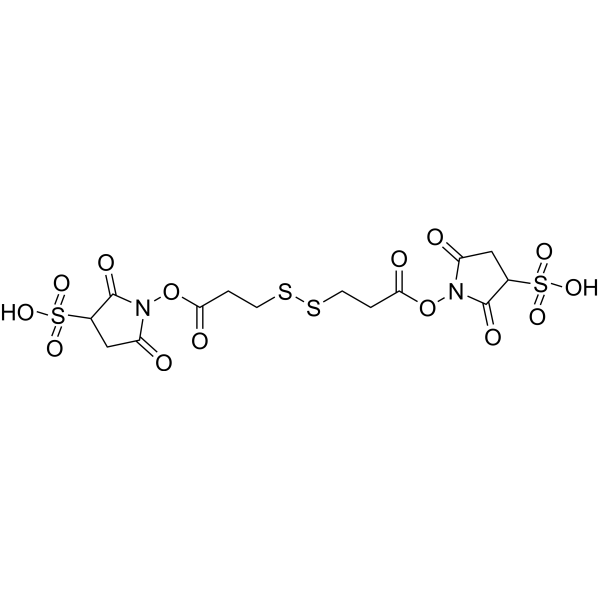 0 ImagesCat. No.: HY-126349CAS No.: 81069-02-5DTSSP Crosslinker is a crosslinker reactive with primary amines. DTSSP Crosslinker is a cleavable ADC linker used in the synthesis of antibody-drug conjugates (ADCs).
-
sulfo-SPDB
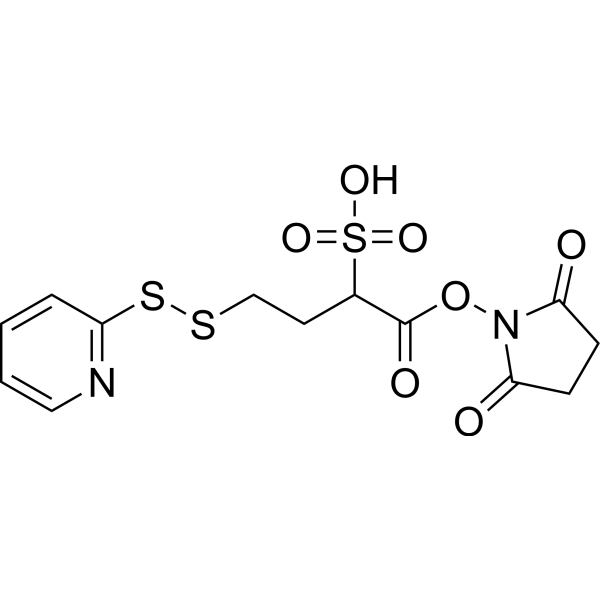 0 ImagesCat. No.: HY-101151CAS No.: 1193111-39-5sulfo-SPDB is a cleavable ADC linker used in the synthesis of antibody-drug conjugates (ADCs).
-
Biotin-PEG3-SS-azide
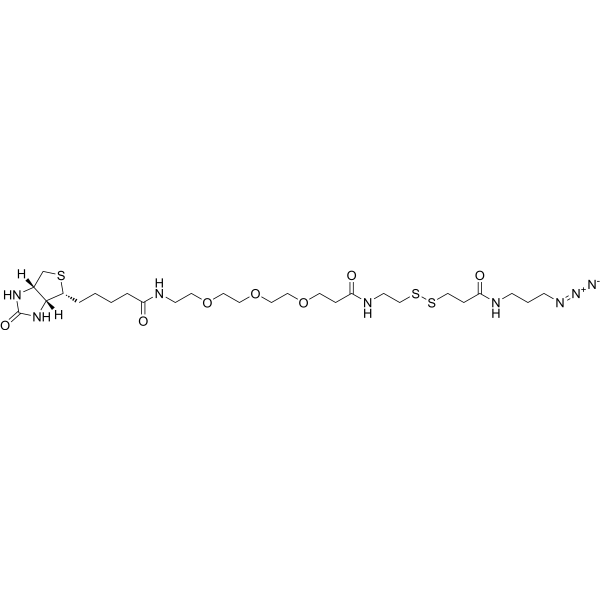 0 ImagesBiotin-PEG3-SS-azide is a cleavable 3 unit PEG ADC linker used in the synthesis of antibody-drug conjugates (ADCs). Biotin-PEG3-SS-azide is a click chemistry reagent, it contains an Azide group and can undergo copper-catalyzed azide-alkyne cycloaddition reaction (CuAAc) with molecules containing Alkyne groups. It can also undergo strain-promoted alkyne-azide cycloaddition (SPAAC) reactions with molecules containing DBCO or BCN groups.
-
PDEC-NB
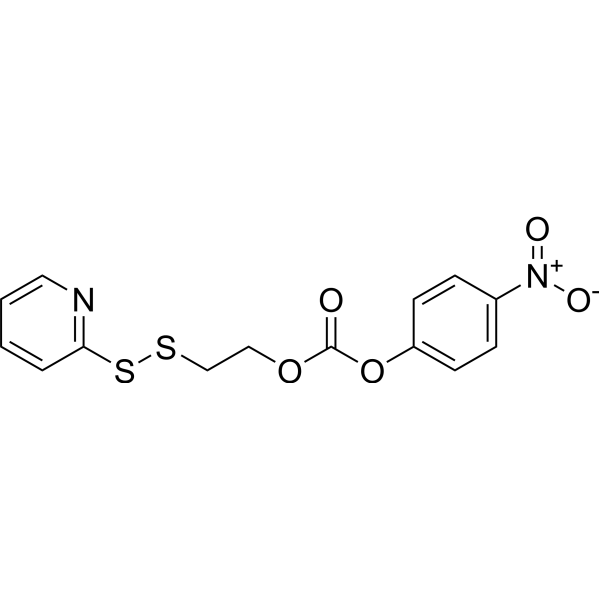 0 ImagesPDEC-NB is a disulfide cleavable linker used for the antibody-drug conjugate (ADC).
-
SPDMB
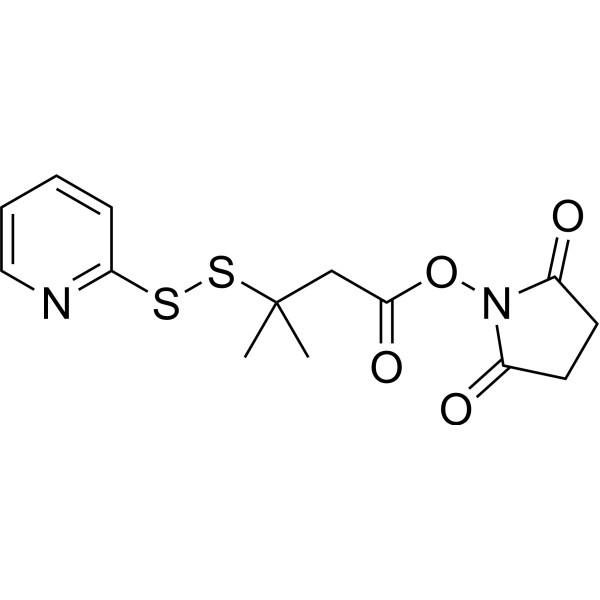 0 ImagesCat. No.: HY-129369CAS No.: 2101206-29-3SPDMB is a glutathione cleavable ADC linker used for the antibody-drug conjugate (ADCs).
-
Azido-PEG3-SS-NHS
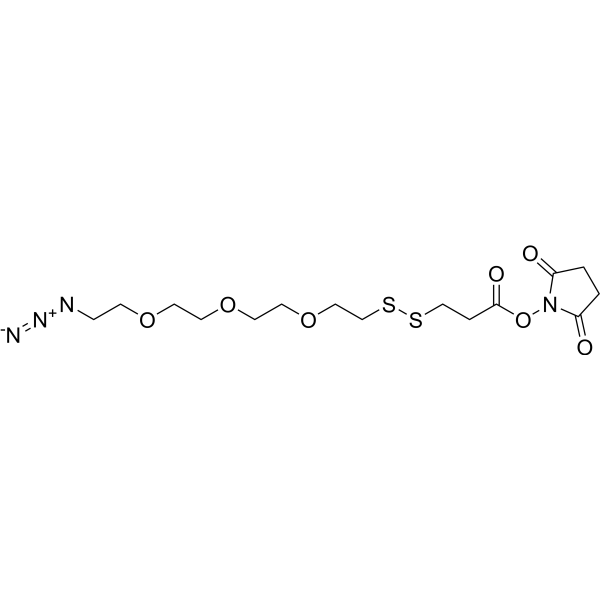 0 ImagesCat. No.: HY-135966CAS No.: 2446160-73-0Azido-PEG3-SS-NHS is a cleavable 3 unit PEG ADC linker used in the synthesis of antibody-drug conjugates (ADCs). Azido-PEG3-SS-NHS is a click chemistry reagent, it contains an Azide group and can undergo copper-catalyzed azide-alkyne cycloaddition reaction (CuAAc) with molecules containing Alkyne groups. It can also undergo strain-promoted alkyne-azide cycloaddition (SPAAC) reactions with molecules containing DBCO or BCN groups.
-
Boc-Cystamine
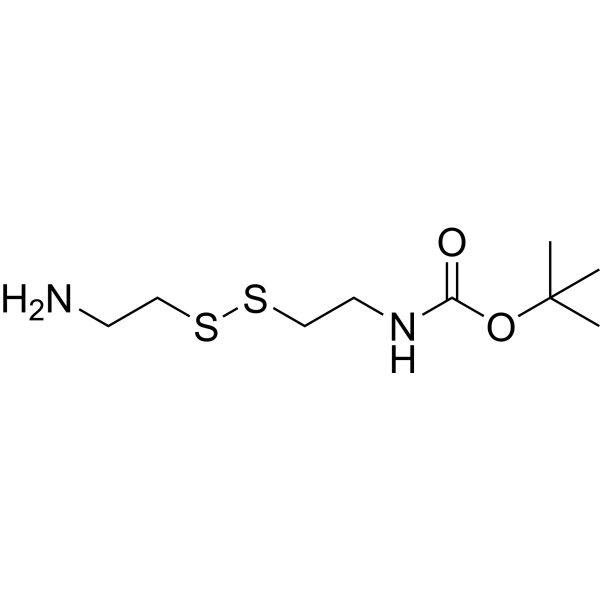 0 ImagesCat. No.: HY-140098CAS No.: 485800-26-8Boc-Cystamine is a cleavable ADC linker used in the synthesis of antibody-drug conjugates (ADCs).
-
DBCO-CONH-S-S-NHS ester
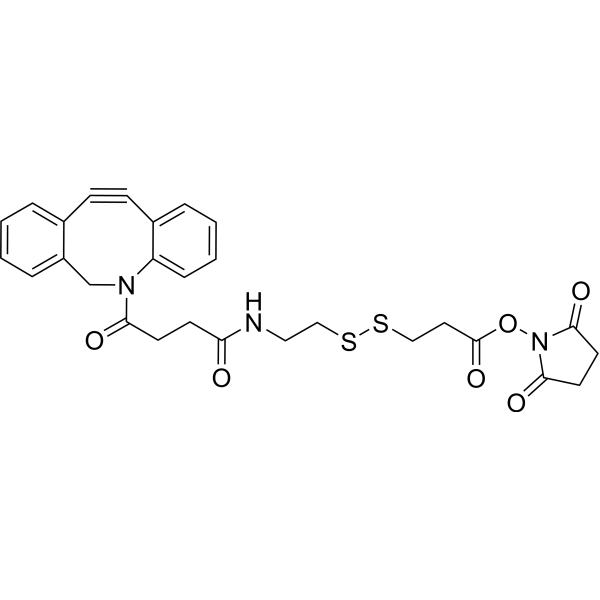 0 ImagesDBCO-CONH-S-S-NHS ester is a cleavable ADC linker used in the synthesis of antibody-drug conjugates (ADCs). DBCO-CONH-S-S-NHS ester is a click chemistry reagent, it contains a DBCO group that can undergo strain-promoted alkyne-azide cycloaddition (SPAAC) with molecules containing Azide groups.
-
NHS-SS-biotin
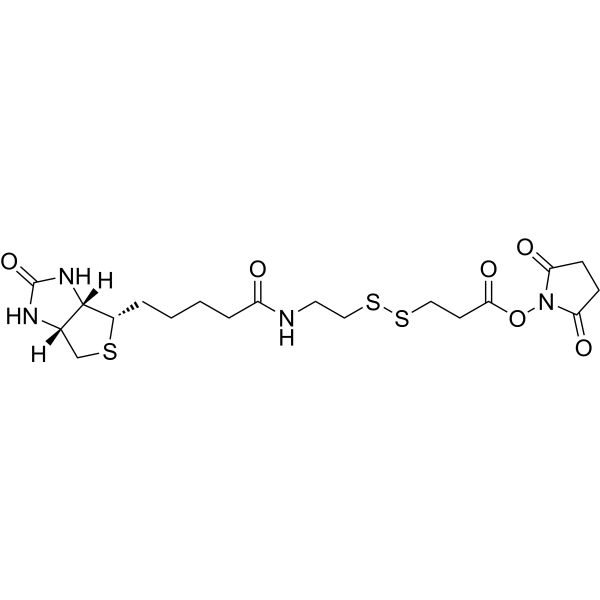 0 ImagesNHS-SS-biotin is a cleavable ADC linker used in the synthesis of antibody-drug conjugates (ADCs).
-
Azide-C2-SS-C2-biotin
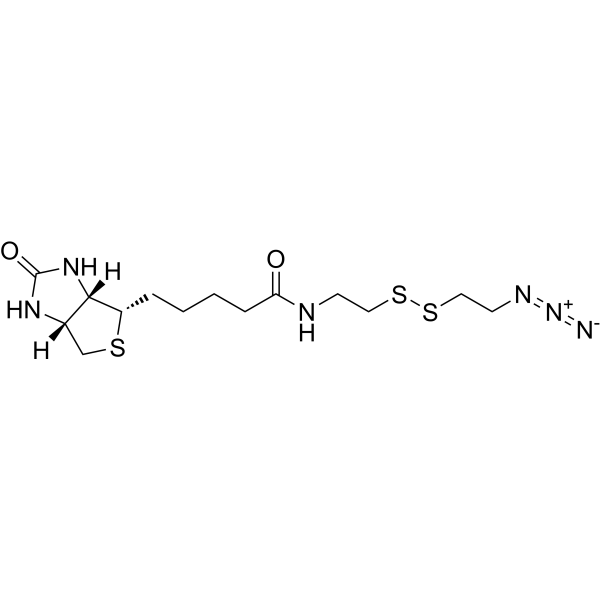 0 ImagesAzide-C2-SS-C2-biotin is a cleavable ADC linker used in the synthesis of antibody-drug conjugates (ADCs). Azide-C2-SS-C2-biotin is a click chemistry reagent, it contains an Azide group and can undergo copper-catalyzed azide-alkyne cycloaddition reaction (CuAAc) with molecules containing Alkyne groups. It can also undergo strain-promoted alkyne-azide cycloaddition (SPAAC) reactions with molecules containing DBCO or BCN groups.
-
NHS-PEG2-SS-PEG2-NHS
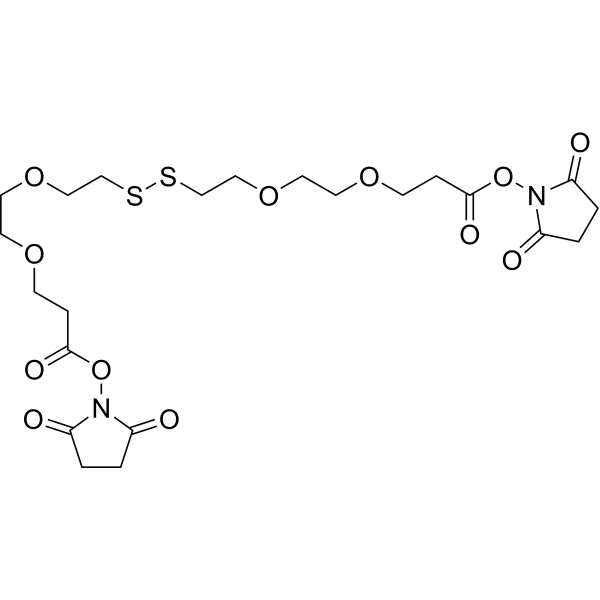 0 ImagesCat. No.: HY-136133NHS-PEG2-SS-PEG2-NHS is a cleavable 4 unit PEG ADC linker used in the synthesis of antibody-drug conjugates (ADCs).
-
SPDB
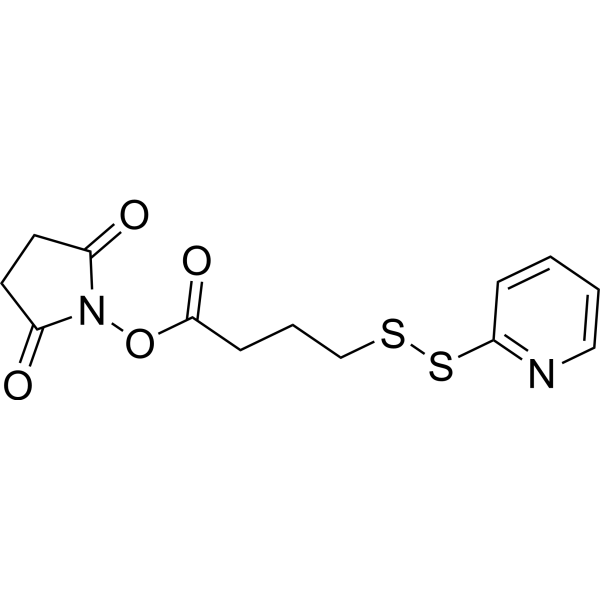 0 ImagesSPDB is a glutathione cleavable ADC linker used for the antibody-drug conjugate (ADCs).
-
Sulfo-LC-SPDP sodium
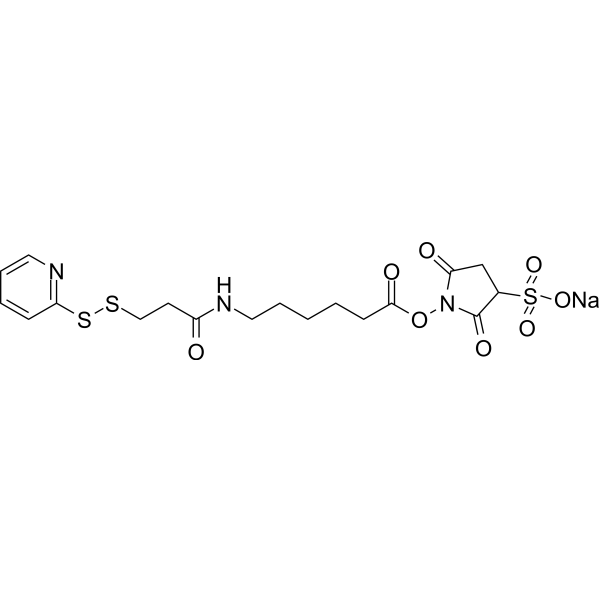 0 ImagesCat. No.: HY-126495ACAS No.: 169751-10-4Sulfo-LC-SPDP sodium is a cleavable ADC linker used in the synthesis of antibody-drug conjugates (ADCs).
-
DBCO-NHCO-S-S-NHS ester
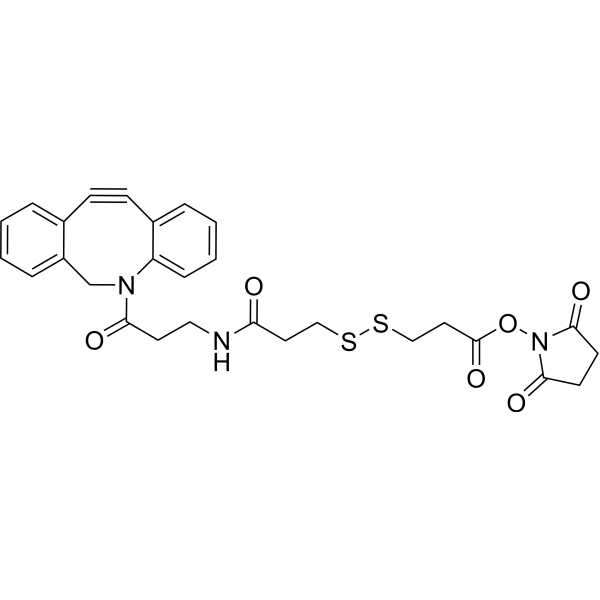 0 ImagesCat. No.: HY-133412CAS No.: 2749932-04-3DBCO-NHCO-S-S-NHS ester is a cleavable ADC linker used in the synthesis of antibody-drug conjugates (ADCs). DBCO-NHCO-S-S-NHS ester is a click chemistry reagent, it contains a DBCO group that can undergo strain-promoted alkyne-azide cycloaddition (SPAAC) with molecules containing Azide groups.
-
Fmoc-NH-ethyl-SS-propionic acid
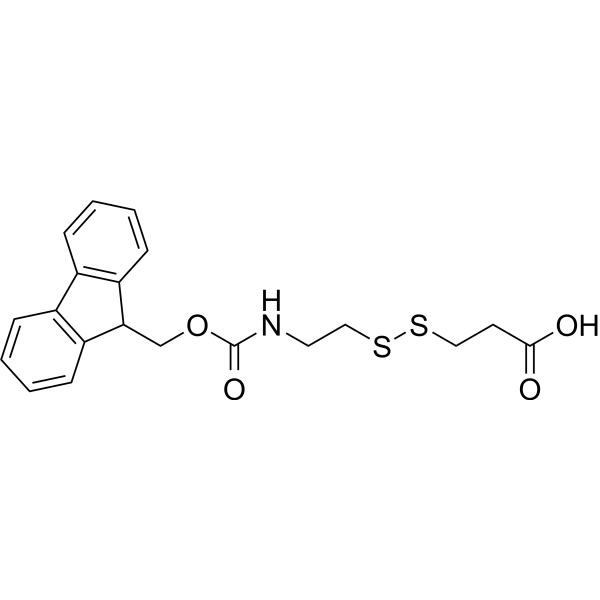 0 ImagesFmoc-NH-ethyl-SS-propionic acid is a cleavable ADC linker used in the synthesis of antibody-drug conjugates (ADCs).
-
S-(1-Hydroxy-2-methylpropan-2-yl) methanesulfonothioate
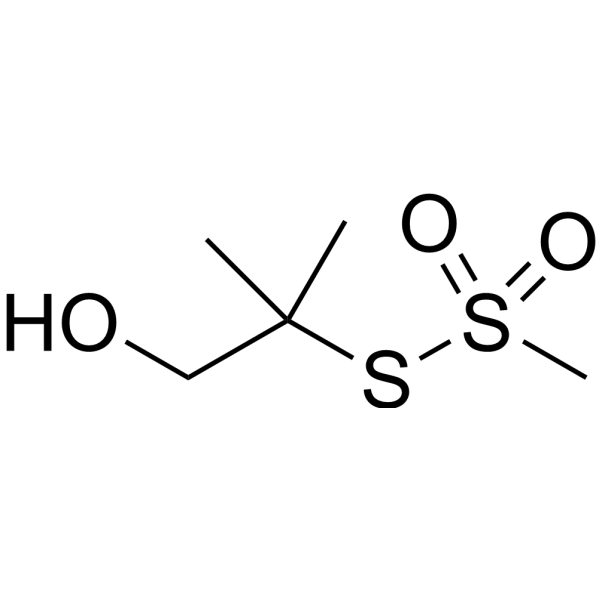 0 ImagesCat. No.: HY-129942CAS No.: 2127875-65-2S-(1-Hydroxy-2-methylpropan-2-yl) methanesulfonothioate is a glutathione cleavable ADC linker used for the antibody-drug conjugates (ADCs) and refers to the Alkyl-Chain composition. S-(1-Hydroxy-2-methylpropan-2-yl) methanesulfonothioate is the linker portions of the molecules employed for mAb attachment purposes.
-
Tetrazine-SS-Biotin
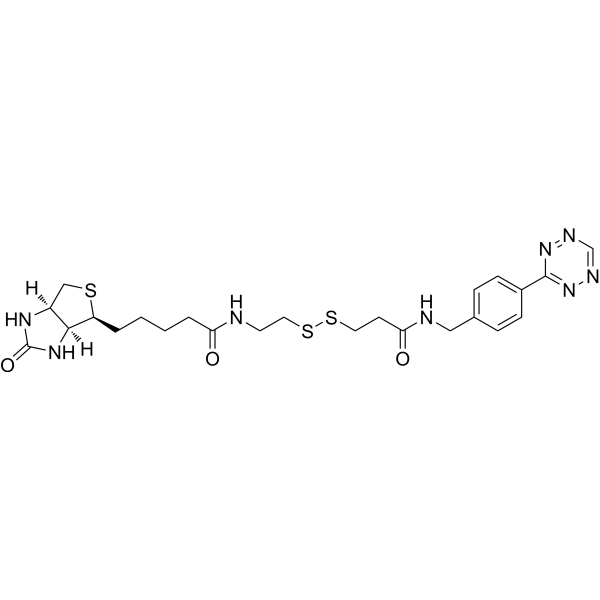 0 ImagesTetrazine-SS-Biotin is a cleavable ADC linker used in the synthesis of antibody-drug conjugates (ADCs). Tetrazine-SS-Biotin is a click chemistry reagent, it contains a Tetrazine group that can undergo an inverse electron demand Diels-Alder reaction (iEDDA) with molecules containing TCO groups.
-
SPP
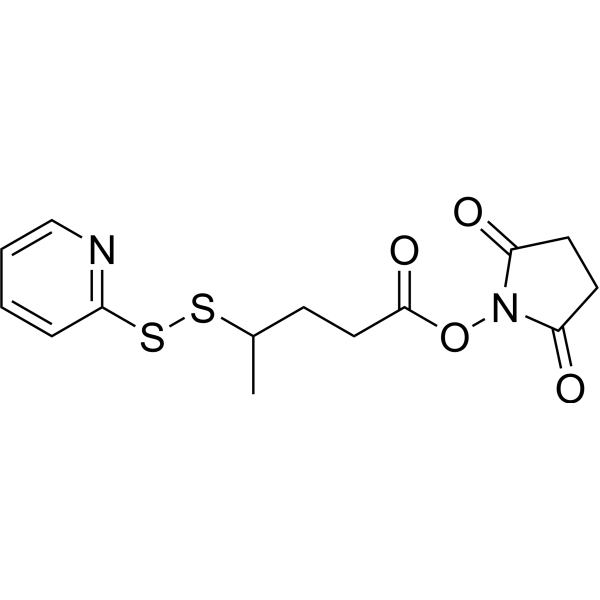 0 ImagesCat. No.: HY-128926CAS No.: 341498-08-6Synonyms: N-succinimidyl 4-(2-pyridyldithio) pentanoateSPP (N-succinimidyl 4-(2-pyridyldithio) pentanoate) is a cleavable disulfide linker, can be used to form cytotoxic compound- linker conjugate.
-
(2-pyridyldithio)-PEG1-hydrazine
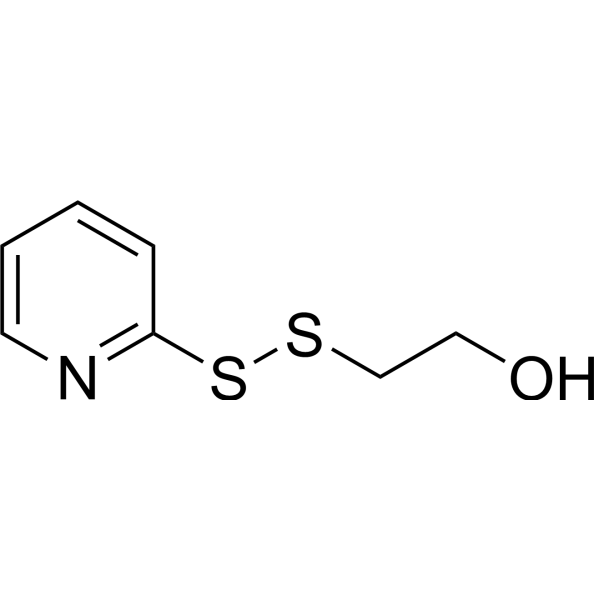 0 Images(2-pyridyldithio)-PEG1-hydrazine is a cleavable 1 unit PEG ADC linker used in the synthesis of antibody-drug conjugates (ADCs).



